
September 1, 2026
How changing consumer preferences is redefining Sourcing and Fabric Merchant roles
Uploaded on : October 23, 2026
Category :
Fabric Merchant, Fabric sourcing, Fashion, MensWear Trends
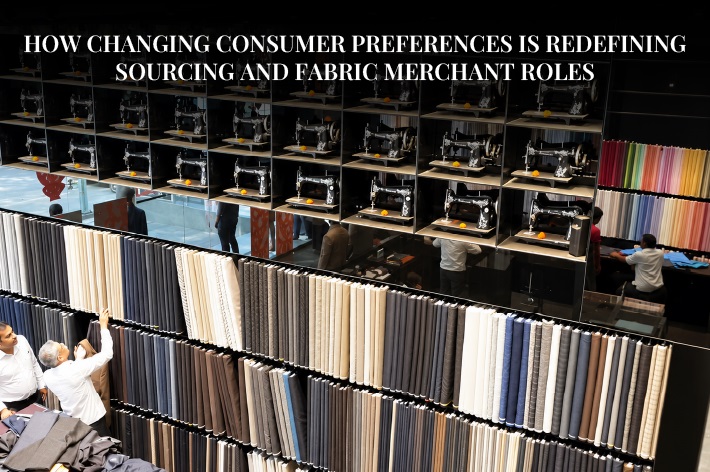
The new millennium and globalization brought a surge of optimism. This led fashion to bank on economies of scale to churn out large volumes. The logic in play was that buying big got you deeper discounts. This formula worked for a while between 2000 and 2010, when bigger was considered better and smarter.
Even prior to 2020, there were murmurs of concern surrounding unsold inventory. Realization dawned that what was smart production was actually overproduction.
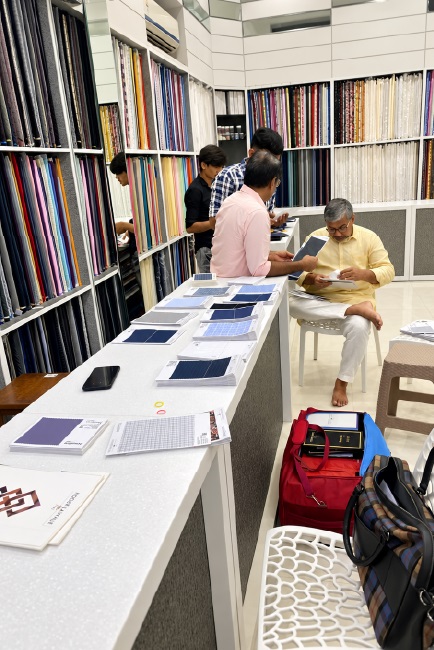
Realization dawned that the fashion supply chain was gradually moving from a “push” to a “pull” model, where consumer preferences and buying behavior were dictating what inventory moved and what got stuck. Retailers started studying consumer preferences through sales patterns, trial-room feedback, returns and repeat purchases. Improving quality and quantity of data is now enabling the prediction of emerging trends. The entire process of forecasting better is now aided by digitization and draping, powered by AI. These insights can influence brand decisions around collections, production quantities and reorders, bringing an acute focus on quantity instead of on price.
MOQ is a standard abbreviation used every minute in the world of textiles. Minimum Order Quantity that was an after-thought detail, was in focus front and center. MOQ is what defined whether the supply chain will be left with surplus inventory or not.
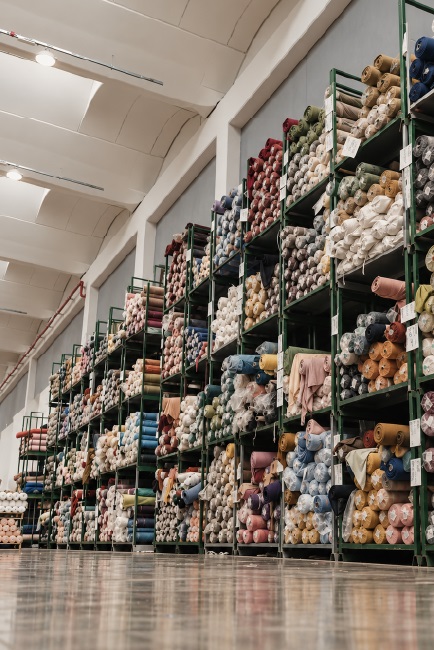
Instead of making large quantities upfront and then relying on discounts to clear products, a much better system emerges that allows businesses to test demand, produce in smaller batches, reorder what works and reduce what does not.
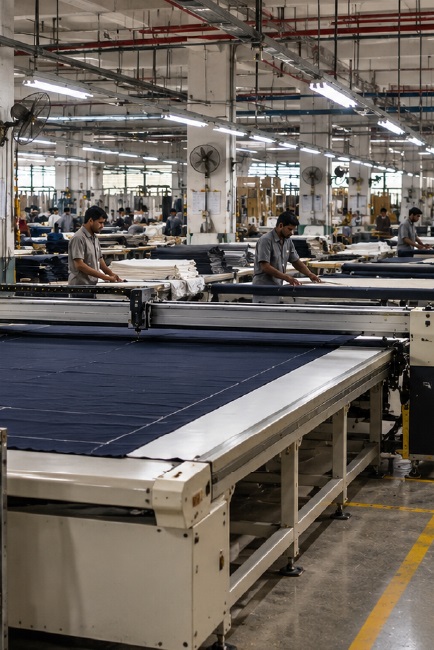
The above is a much better system but deprives large manufacturers of inherent advantages of economies of scale. Smaller batches and emphasis on variety catering to niche segment impacts mill efficiencies adversely. This is a present challenge and a future opportunity for whoever can invent a production model that is nimble and is able to pivot between varying MOQs without compromising on efficiencies. Robotics and automation will have a big role to play in setting up this playbook where limited capacities are put to work for longer.
While the above complexities involving economics, geopolitics and AI play out, the fabric merchant like Roger La Viale, acts as the buffer betting on variety across fibers and technologies, stocking on a larger variety to try and cater to every niche, big or small. It is the merchants' job to absorb mill MOQs and make possible retailer dictated MOQs. It is the merchants' job to bet on risky fashion trends and enable them on time for the season.
Every challenge is somebody's opportunity and the entire fashion chain adapting to the changes is the future.
Fashion by definition is changing and with changing buyer behavior, every challenge has to be viewed as an opportunity for the entire supply chain to get better and responsible.
Latest Blogs

When Custom Meets AI


THE SHIRTING STORY – REWRITTEN
May 4, 2026

What’s Trending This Spring–Summer in Men’s Fabric
February 12, 2026